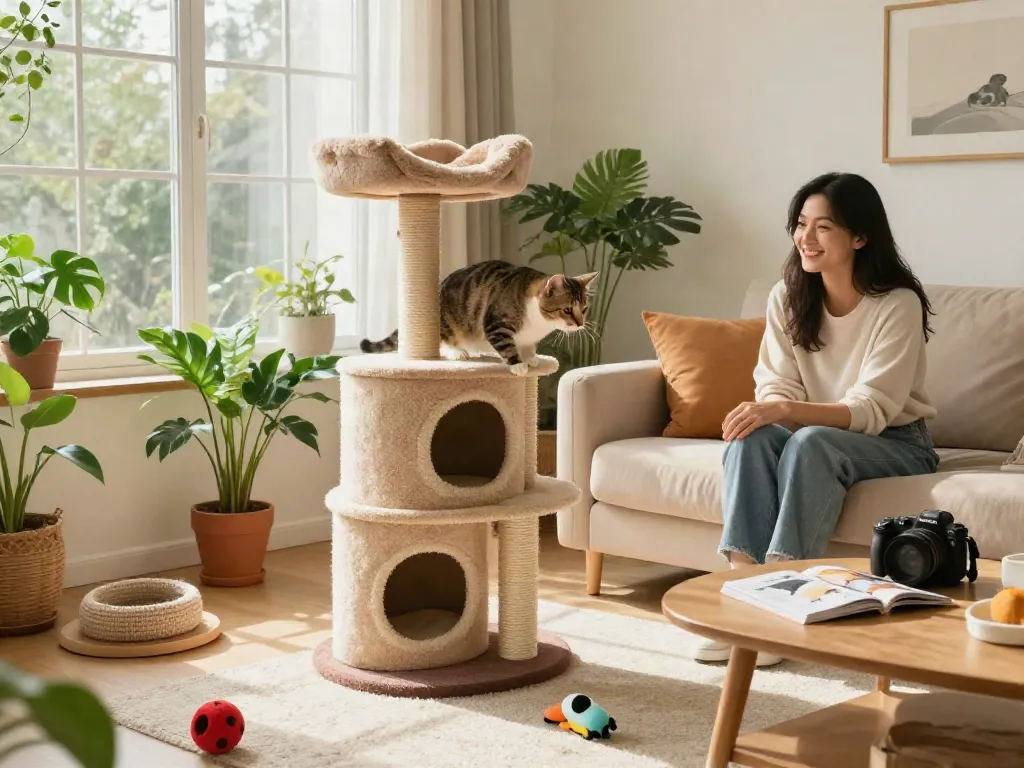
The Importance of Cat Trees for Feline Happiness
As cat owners, we often find ourselves pondering the best ways to enhance our furry friends' lives. Among the various products designed for their enrichment, the cat tree stands out as a quintessential piece of furniture that meets a multitude of feline needs. Not only does it offer a designated space for play and rest, but it also satisfies their innate instincts, providing a safe haven where they can observe their surroundings from above. In this article, we'll delve into the essential role cat trees play in our cats’ happiness and wellbeing.
Why Do Cats Need Vertical Spaces?
Cats are naturally inclined to seek elevation in their environments. This behaviour originates from their wild ancestors, who used high vantage points to scout for potential prey and threats. A cat tree mimics this natural instinct by providing multiple levels and platforms for climbing, hiding, and lounging, which is particularly beneficial for indoor cats. By allowing your cat to climb, perch, and play at different heights, you not only cater to their instincts but also contribute to their physical fitness and mental stimulation.
Benefits of Cat Trees for Behavior and Wellbeing
Investing in a cat tree brings numerous behavioural benefits. Firstly, it offers a space for your cat to retreat, which can reduce stress and anxiety in multi-pet households or during noisy occasions. The act of climbing and exploring a cat tree can also alleviate boredom, preventing destructive behaviours such as scratching furniture or knocking over household items. Moreover, the vertical space encourages physical exercise, which is crucial for maintaining a healthy weight and overall wellbeing.
Understanding Your Cat's Preferences
Every cat has its own unique personality and preferences. Some may enjoy climbing and perching at the highest level, while others may prefer cozy hideaways. Observing your cat's behaviour can help you select a cat tree that aligns well with their habits. For instance, if your cat enjoys lounging in enclosed spaces, look for models with cubed hideaways or hammocks. If your cat is active and playful, choose trees with multiple scratching posts and dangling toys.
Choosing the Right Cat Tree for Your Home
When selecting a cat tree, it's crucial to consider several factors that will affect both your cat's enjoyment and your home's aesthetic. This process ensures you find the perfect fit that meets your cat's needs while complementing your living space.
Factors to Consider: Size, Style, and Material
The size of the cat tree you choose should accommodate your living environment and the number of cats you have. Larger trees with multiple levels are ideal for homes with several cats, while compact models work well in smaller spaces. The style is also essential—consider whether you prefer a modern design that matches your decor or a more traditional look. Material is another critical factor; look for durable options that can withstand your cat's claws, such as pressed wood or solid wood, and ensure any fabric covering is easy to clean.
Understanding Cat Tree Features and Their Benefits
Cat trees come with a variety of features that cater to different feline needs. Some common features include:
- Scratching Posts: Essential for maintaining your cat's claws and redirecting their scratching behaviour away from your furniture.
- Towers and Platforms: These allow for climbing, playing, and surveying their territory, which is vital for an indoor cat's mental stimulation.
- Hiding Spaces: Enclosed areas provide a sense of security and privacy, helping to reduce stress.
- Hammocks: These offer comfortable resting spots and can be an appealing place for your cat to nap.
Best Placement for Your Cat Tree
The placement of your cat tree can significantly impact its usage. Ideally, position the tree near a window where your cat can watch outside activities, such as birds or passing pedestrians. Make sure it is easily accessible so your cat can leap onto it without difficulty. Additionally, avoid placing it in a corner, as this may limit your cat’s ability to feel secure and observe their surroundings.
How to Introduce a Cat Tree to Your Cat
Introducing a cat tree to your home may not always be met with immediate enthusiasm. Understanding how to facilitate a smooth transition can help your cat quickly adopt their new playground.
Tips for a Smooth Introduction
When you first set up the cat tree, allow your cat to explore it at their own pace. You may want to place treats or catnip on various levels of the tree to encourage exploration. Giving your cat time to familiarise themselves with the new structure is important; this can help alleviate any initial timidity they may show.
Engaging Your Cat with the New Tree
Once your cat shows interest, actively engage them with their new tree. Play interactive games using toys that can be dangled from the platforms or hide treats in the cubbies. This active engagement not only makes the tree more appealing but also strengthens the bond between you and your cat.
Common Challenges and Solutions
Some cats may be initially hesitant to use their new tree. If your cat seems uninterested, try placing familiar bedding or toys on the tree to encourage exploration. Additionally, if they exhibit signs of stress, consider placing the tree in a quieter area of the home until they feel more comfortable.
Maintaining Your Cat Tree for Longevity
To maximise the lifespan of your cat tree, regular maintenance is essential. This can help keep your investment in excellent condition and ensure your cat continues to enjoy it.
Regular Cleaning and Care Tips
Routine cleaning of your cat tree is crucial, not just for hygiene but to maintain its appeal. Vacuum the surfaces regularly to remove fur and debris, and spot clean any stains with pet-safe cleaners. If your cat tree has removable covers, wash them according to the manufacturer's instructions.
Repairing vs. Replacing Parts
Over time, certain aspects of the cat tree may wear out, especially the scratching posts. If the structure itself remains sturdy, consider replacing worn-out parts rather than buying a new tree. Many brands offer replacement parts that can restore the functionality of your cat tree.
Signs It's Time for a New Cat Tree
While repairs are an option, there may come a time when a replacement is necessary. Signs that your cat tree may need replacing include excessive wobbling, damaged platforms, or torn fabrics that expose the internal materials. Regularly assess the condition of your cat tree to ensure your cat's safety and comfort.
Future Trends in Cat Furniture Design (2026 and Beyond)
As our understanding of feline needs evolves, so does the design of cat furniture. The future promises exciting innovations that blend functionality with aesthetics.
Innovative Materials and Technology in Cat Trees
The incorporation of innovative materials will likely become a trend in cat furniture design. Expect to see more cat trees made with sustainable materials and high-tech integrations, such as built-in sensors that monitor your cat's health metrics or trees that self-clean.
Eco-Friendly and Sustainable Options
With a growing emphasis on sustainability, future cat trees will likely feature eco-friendly materials that minimise environmental impact. These could include recycled woods, organic fabrics, and non-toxic finishes, appealing to environmentally conscious pet owners.
Predictions for Cat Furniture Trends in the Future
As pet ownership continues to grow, cat furniture will evolve to be more inclusive. This may include multifunctional designs that serve as both cat play structures and human furniture, catering to the shared living spaces of pet owners. The trend could also shift towards customisable options allowing owners to create unique solutions tailored to their specific spaces and cats’ needs.
What are the key features to look for in a cat tree?
When choosing a cat tree, look for sturdy construction, durable materials, scratching posts, multiple levels, and comfortable resting spots. Ensure it fits within your space and matches your cat's preferences.
How can I help my cat adjust to a new cat tree?
To introduce a cat tree, allow your cat to explore it at their own pace. Use treats and familiar items to encourage them to engage with the new structure.
What materials are best for cat trees?
Look for cat trees made from durable materials such as solid wood or pressed wood, with carpet or fabric coverings that are easy to clean and withstand regular wear.
Are there cat trees designed for multiple cats?
Yes, many cat trees are designed with multiple levels and features that can accommodate several cats, providing enough space to prevent territorial disputes.
How often should I replace or upgrade a cat tree?
Evaluate your cat tree regularly for signs of wear and tear. Replace or upgrade it when significant damage occurs or if your cat no longer uses it due to its condition.